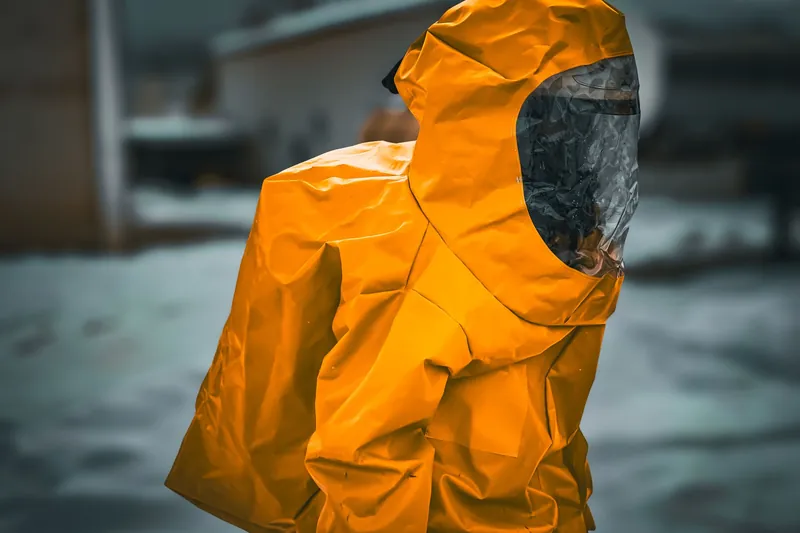
Biohazard Cleanup
Removal and disinfection of blood, body fluids and other infectious material from any property.
See biohazard cleanupGet blood, bodily fluids, human waste, sharps and source odor removed from a hotel room, Airbnb, vacation rental or long-term rental in McMillin. The area is contained, cleaned, disinfected and documented.
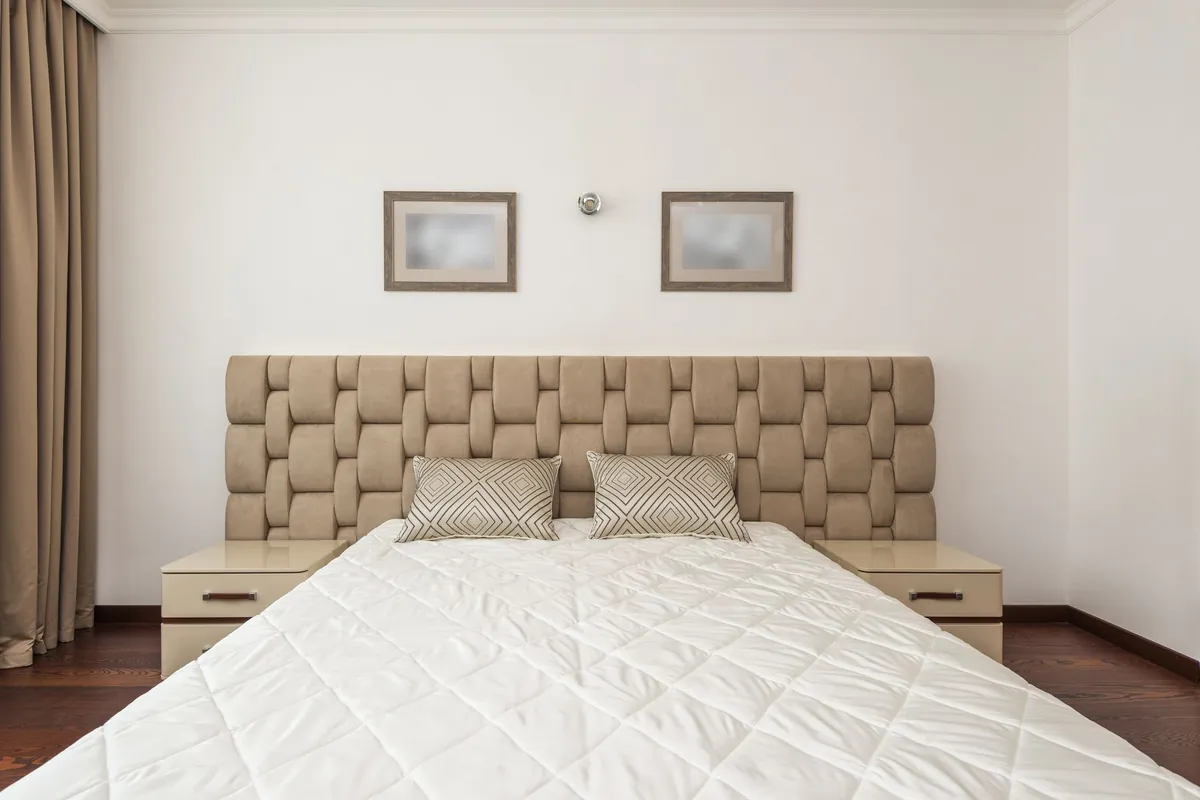
This cleanup safely takes human waste, other hazardous material, bodily fluids and used sharps out of rental apartments, guest rooms and common areas. Cleaning, disinfection and odor treatment follow the removal.
Turnover cleaners address food residue, ordinary dirt and dust. A room with vomit, urine, blood, used needles, feces, decomposition fluids or another possible source of germs needs biohazard cleaning services. Housekeeping staff should stay away from exposures for which they lack the right training and protective equipment.
First, cleanup technicians locate the affected space and any nearby routes used by tenants, guests or employees. They shield the surrounding area and take away porous items that cannot be disinfected. An EPA-registered disinfectant is applied to hard surfaces for the label contact time. When finished, the space should contain neither contaminated material nor odor from the source.
You learn the affected area, which materials are salvageable, which items require removal and what drives the cost prior to starting work.
Daytime and nighttime calls are answered. Crews come to the property in unmarked vehicles. A building may allow access plans that use its private entrance or service path.
Each item of personal property receives documentation and careful treatment. Sensitive details are restricted to those needing them to manage access, safety and insurance matters.
Photographs, invoices, scope notes and waste records can strengthen an insurance claim, guide the owner's repair plans and help return the space to use.
A hotel or rental needs biohazard cleaning when ordinary cleaners cannot remove contamination safely. Common examples are:
A unit may need to remain unavailable for the next reservation when its host finds bodily fluids, drug paraphernalia or strong source odor following checkout.
A welfare check, move-out, illness or injury may leave a long-term rental needing cleanup.
Contamination that spreads outside a single room may require containment in elevators, hallways, laundry rooms, lobbies and employee spaces.
Never pick up loose needles or other sharps by hand or place them in regular garbage bags. They belong in puncture-resistant containers.
Take the following steps before technicians begin cleanup in the rental. These early actions help protect records, keep contamination from spreading and reduce exposure:
Call (888) 440-9227Published guides do not break out rental properties as a separate cost. The closest comparison is general biohazard cleanup, which Fixr lists at $3,000 to $5,000 for the average job nationally, from near $1,500 up to $25,000 or more. This is not a quote. Affected rooms, surfaces and odor work shape what you pay.
The figures shown are national ranges from published cost guides and are not based on an on-site visit. After an on-site assessment, the price for your property is determined and shared with you before cleanup begins.
Ask about cost: (888) 440-9227Rental biohazard cleanup may fall under property insurance if a covered event caused the damage. Whether it does depends on the loss details, policy coverage, exclusions and deductible.
Limits and exclusions differ between a platform's protection and personal property coverage. Save reservation details, messages, incident notes, photos and invoices, then ask the policy contact about the exact event.
Work involving the structure is generally arranged by its owner. Who ultimately pays can depend on the lease, the cause, applicable law and insurance decisions.
The owner or manager should accurately explain the cause when reporting the event to the insurance company and confirm the documentation needed before disposing of damaged materials.
Homeowners or renters insurance, the estate or the property owner usually pays for this kind of cleanup. The Washington crime victim compensation program helps only when a crime caused the loss.
To protect occupied rooms, the remediation work proceeds in a controlled order and every stage is documented. Its exact scope is shaped by the building layout, contamination and surfaces involved.
Cleanup technicians locate the affected area, examine how people entered, check nearby spaces and identify surfaces for possible testing, removal or cleaning.
The room is kept out of service, doorways are controlled and clean paths are separated from work paths so contamination does not spread.
Linens, guest belongings, host property and disposable items are separated carefully. Technicians avoid moving property that could be important to investigators.
Only porous material that cannot be completely disinfected because contamination soaked in deeply, such as upholstery, drywall or padding, is removed.
Cleaning begins by taking soil off hard surfaces. Next, an EPA-registered disinfectant is used, and the surface stays wet throughout the label's full contact time.
Technicians first eliminate source material, then use an air scrubber or another method to treat odor. If odor has spread, technicians inspect surrounding areas and ventilation openings.
Technicians record the waste, seal it in suitable containment and follow its required disposal route, including for sharps.
Technicians inspect the finished area, complete the cleanup documentation and tell the owner or manager about any necessary replacement of furniture, walls or floors.
Call any hour. You speak with a hotel, Airbnb and rental biohazard cleanup specialist who outlines the process and schedules a start time with you.
The health risk to tenants, staff and guests can be serious because bodily fluids, hidden contamination and sharps may be present even where visible impact seems minor.
Padding, subfloor, wall edges and furniture seams may become affected when fluid penetrates carpet or bedding. Cleaning only the mark you can see leaves subsurface material behind.
Possible pathogens in blood include hepatitis C, HIV and hepatitis B. The CDC reports surface survival of at least seven days for hepatitis B, so careful biohazard cleanup remains necessary even after material dries.
A quiet response protects the dignity of the person involved. Limit entry, avoid sharing photos and give staff only the information needed to keep people away.
Can you clean it yourself? An employee may be able to manage a few drops on a non-porous hard surface if that exposure is covered by the worker's duties, training and protective equipment. Professional cleanup is appropriate when you find sharps, cannot identify every edge of the affected area, or see that fluid reached carpet, furniture, wall cavities or bare wood.
Where contamination traveled determines what may stay. Hard sealed items are often cleanable. Porous ones come out if complete cleaning and disinfection cannot reach the affected area.
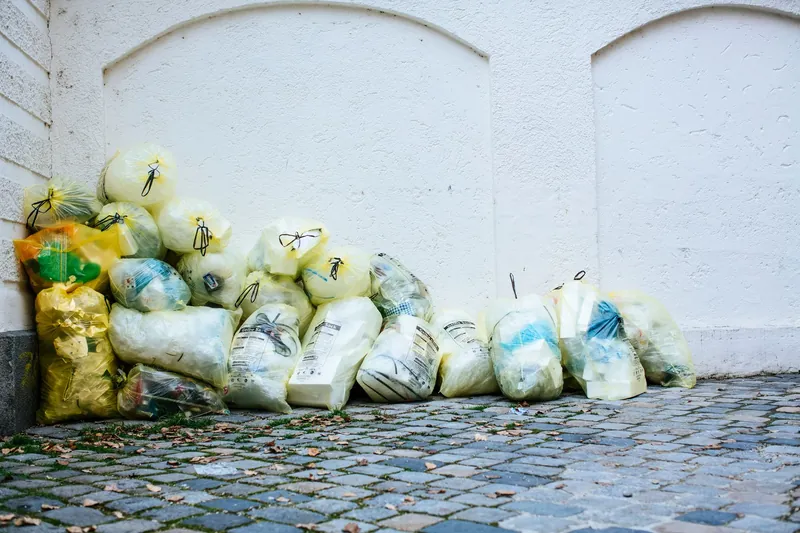
A rental cleanup limited to one room can often be finished in one to three days, although assessment of the space and affected materials is needed before setting the time. Work can take longer if contamination is deep, structural material must be removed or multiple rooms are involved.
| Scene | Typical time on site |
|---|---|
| One contained room with hard surfaces | Often about one day |
| One usual room with affected furnishings or carpeting | Often one to three days |
| Work involving several spaces or parts of the structure | May take several days |
Odor removal begins with finding and removing the source. Fragrance, bleach or an ozone machine used by itself cannot clean fluid inside carpet pad, furniture, subfloor or a wall cavity. Source material has to be exposed, cleaned or removed before air treatment can have a lasting result.
Once the source has been cleaned, HEPA air scrubbers may capture particles suspended in the air. Hydroxyl treatment can suit certain occupied-building conditions. Ozone, however, needs a controlled, vacant area plus careful steps before re-entry. If odor traveled outside the starting room, nearby units, hallways and HVAC returns are checked.
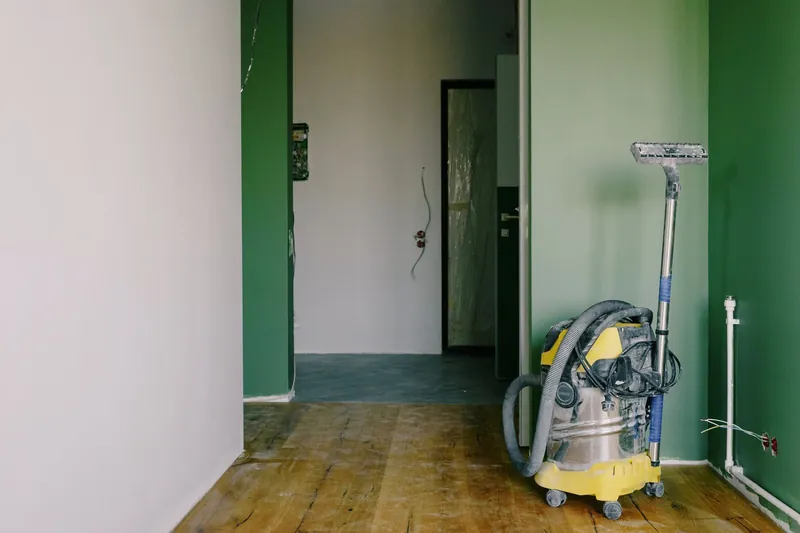
The full hotel, Airbnb and rental biohazard cleanup guide covers what is cleaned or removed, odor and air quality work, and the rules that apply in your state.
Read the full hotel, Airbnb and rental biohazard cleanup guideLocal population patterns, housing and site access may affect how containment and cleanup are planned.
Rental housing represents 9.9% of households here, so cleanup information should still explain when a landlord must approve structural work.
Because the median home dates to 1999, concealed moisture behind drywall or under flooring still deserves careful checking.
About 67 older residents live alone in this community, equal to 24.2% of seniors and still relevant to welfare planning.
The 89.5% single-family share means odor may move through connected rooms and ventilation even without shared walls between households.
During your call, ask whether cleanup is available in surrounding communities and ZIP codes.
Removal and disinfection of blood, body fluids and other infectious material from any property.
See biohazard cleanup
Blood cleanup on carpet, hard floors, walls and furniture with safe disposal.
See blood cleanup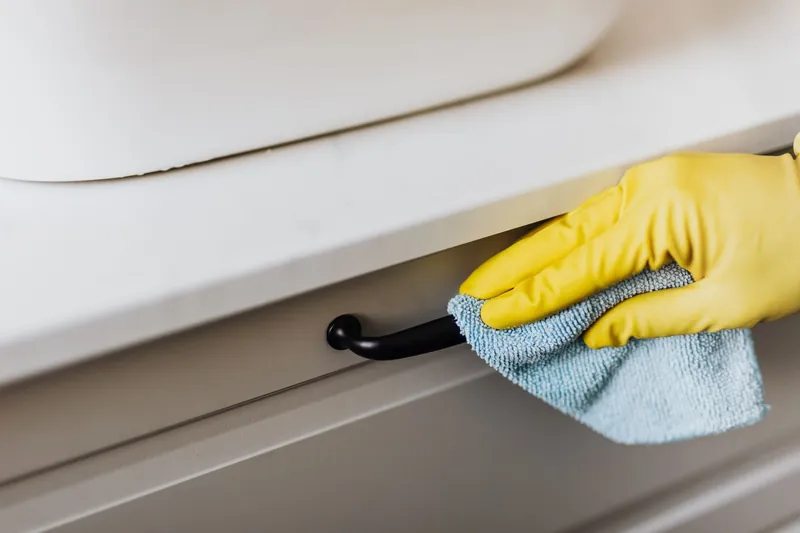
Bodily fluid cleanup and disinfection for homes, care settings and businesses.
See bodily fluid cleanup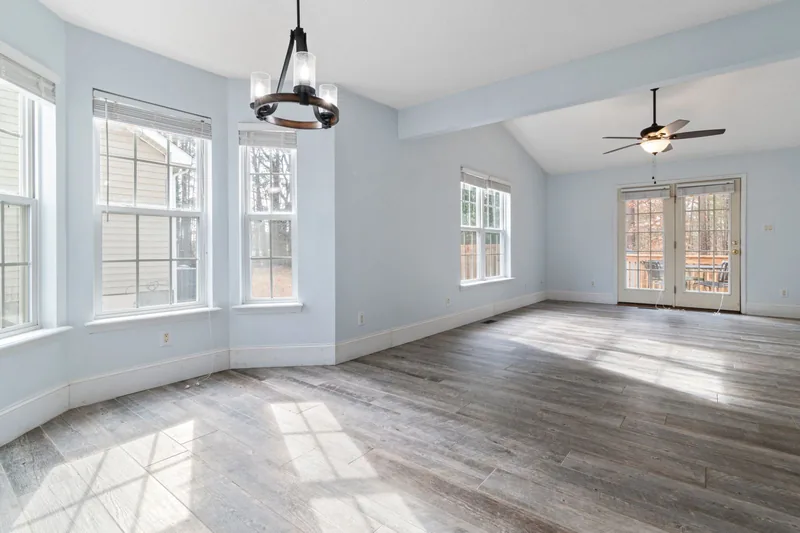
Cleanup after an undiscovered death includes odor control and the effects of days of decomposition.
See unattended death cleanup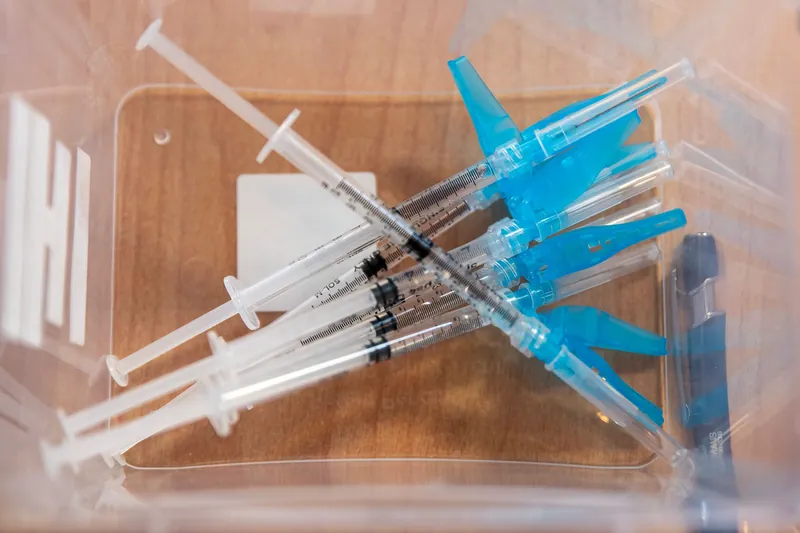
Needle and sharps cleanup for yards, rentals, parks and encampments.
See needle and sharps cleanup
Urine cleanup and odor removal address furniture, floors and subfloors.
See urine cleanup
Disinfection after vomit cleanup keeps norovirus and other germs from spreading further.
See vomit cleanup
Eviction and tenant move-out cleanup of waste, fluids and filth.
See eviction and tenant Move-Out biohazard cleanupTechnicians identify and eliminate source material prior to treating the air. Reaching fluid below the surface can require opening up wall materials, subfloor, carpet pad or furniture. After cleaning and disinfection, air scrubbers or other suitable treatment can address remaining air quality concerns. Fragrance alone does not remove a biohazard source.
The area is restricted first. Using suitable pickup equipment, workers move sharps straight into containers designed to resist punctures. Technicians then check likely hiding places without reaching blindly into bedding, furniture or trash. The disposal method must comply with state rules covering sharps and regulated waste.
Whether the item can stay depends on access to every absorbent layer touched by bodily fluids. Minor surface contamination may be cleaned when the material is compatible, while fluid within carpet padding, a mattress or an upholstered cushion often means removal. The item can stay only if all affected surfaces are accessible for cleaning and disinfection, with contamination depth guiding that assessment.
Contact a cleanup professional if you discover human waste, blood, bodily fluids, unsecured needles or possible contamination odor after a guest's stay. Contamination in carpeting, upholstery, mattresses, unfinished wood or wall cavities is another reason to seek professional cleanup. Block new reservations and avoid asking the usual cleaner to enter for an inspection.
A minor spill can fall within an employee's role when that exposure is covered by the job's protective equipment, training and exposure plan. Larger spills, hidden contamination, sharps and porous materials need a controlled biohazard cleaning process. Workplaces must follow requirements in the OSHA Bloodborne Pathogens Standard when employees can be exposed to blood at work.
It is professional cleanup for blood, bodily fluids, human waste, sharps and other contaminated materials in hotels, Airbnb units, vacation rentals and long-term rentals. Technicians restrict entry, remove items that cannot receive full disinfection, clean hard surfaces, keep the correct disinfectant in place for its labeled contact time and treat odor at its source.
Crews carry out respectful, discreet hotel, Airbnb and rental biohazard cleanup, arrive in unmarked vehicles and take calls 24 hours a day.